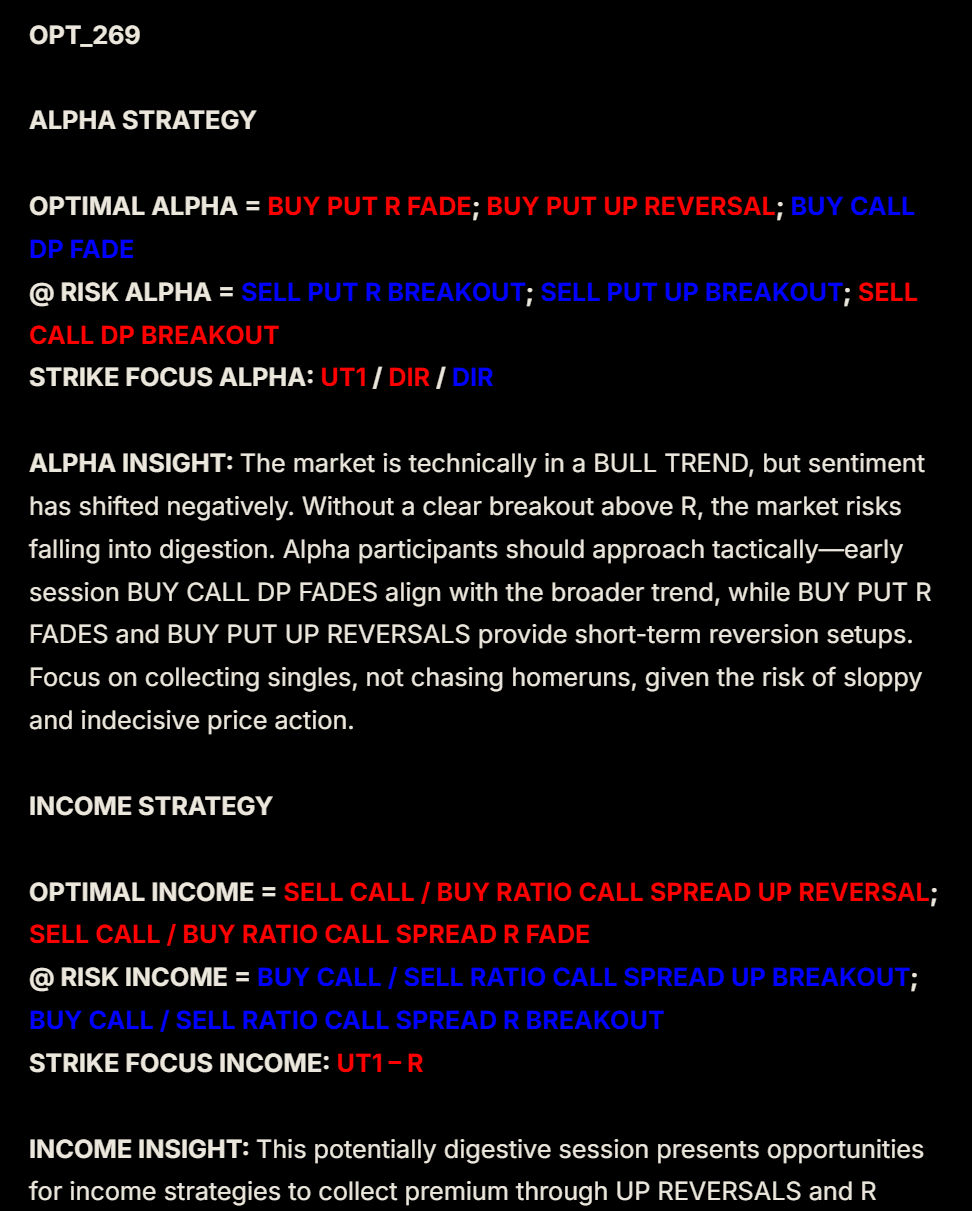
After the close every trader can read the session: the structure held or broke, the state performed or failed, the trade was plain. The Playbook defines those facts before the session. If the market is in this state, with this structure, then these are the strategy themes expected to control price action — Optimal, Hedge or Non-Event. Every market, every day.
“It will be different this time.” The most dangerous words in trading — and you only say them when you already know they are not true.
The patterns you recognize after the close are presented at the moment of decision. That improves your trade vision — what is more likely to occur — and it works both ways. You see the alignment and anticipate the opportunity. Or you know you are on the wrong side of the market, leaning on hope. There are only so many times you can fade the truth once you understand you are fooling yourself.
Clarity at the moment of decision.The Playbook forces you to act on it.
If the market is in this state, with this structure, then these are the strategy themes expected to control price action. Three themes. One in command.
The state–structure dynamic is true. The market is doing what state and structure say it should. Trade with it — this is where the strategy is built to work.
The dynamic is not holding. How the market is expected to transition from this state to a new one — and the strategy that fits the transition.
Price cannot support either. The market settles into a sideways theme — balanced, rotational, no opportunity. The clearest signal in the book: stand aside.
Observe price within structure, in the context of the state. Identify the theme in command.Then align your tactics to that fact.
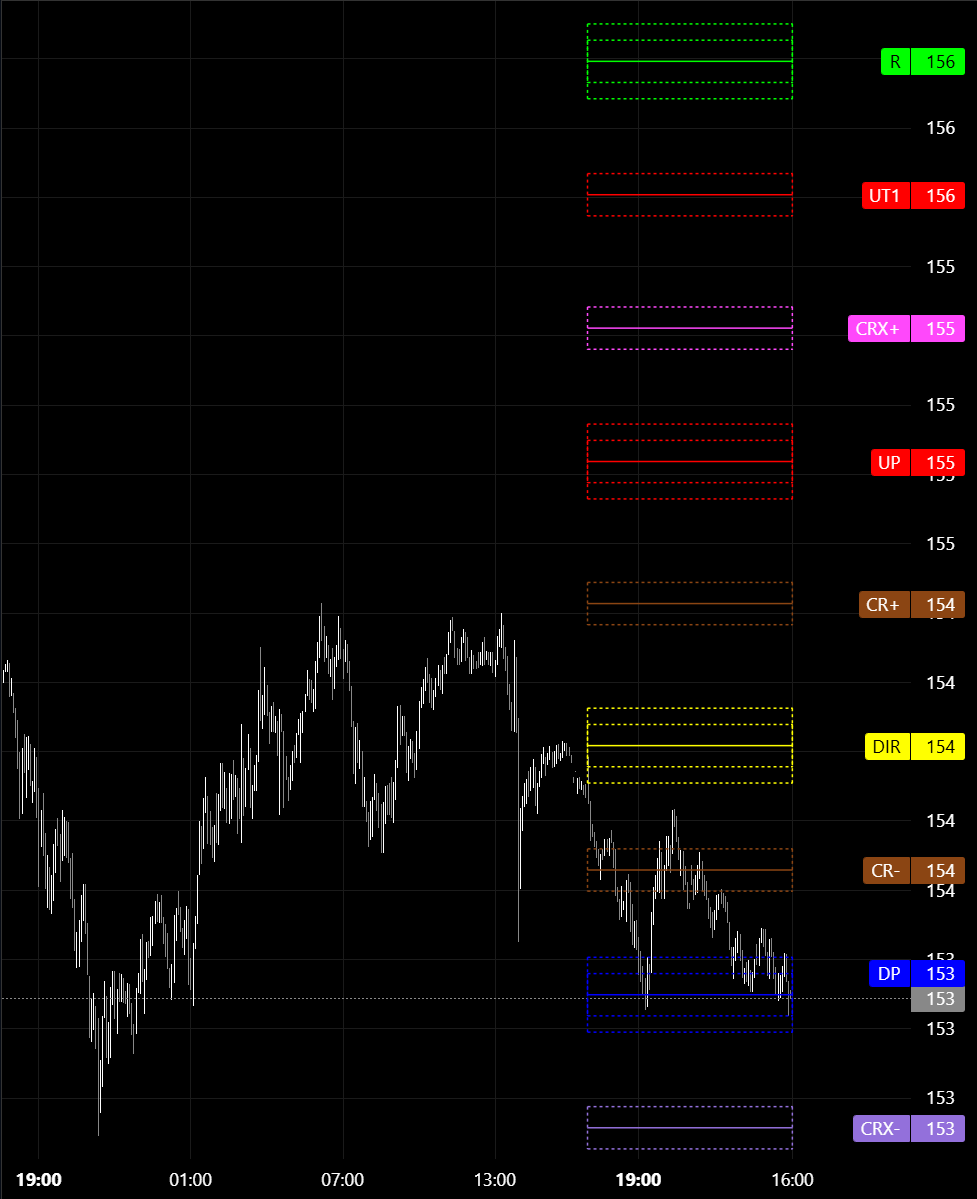
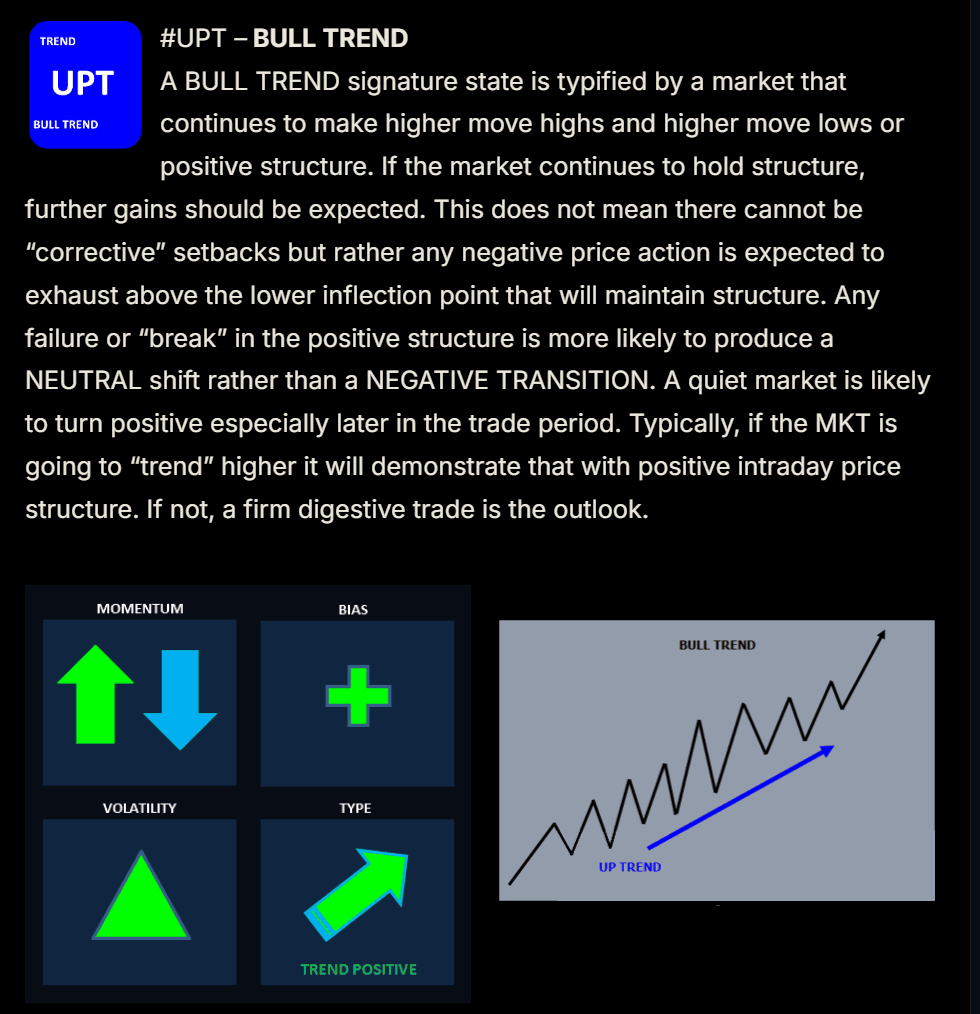
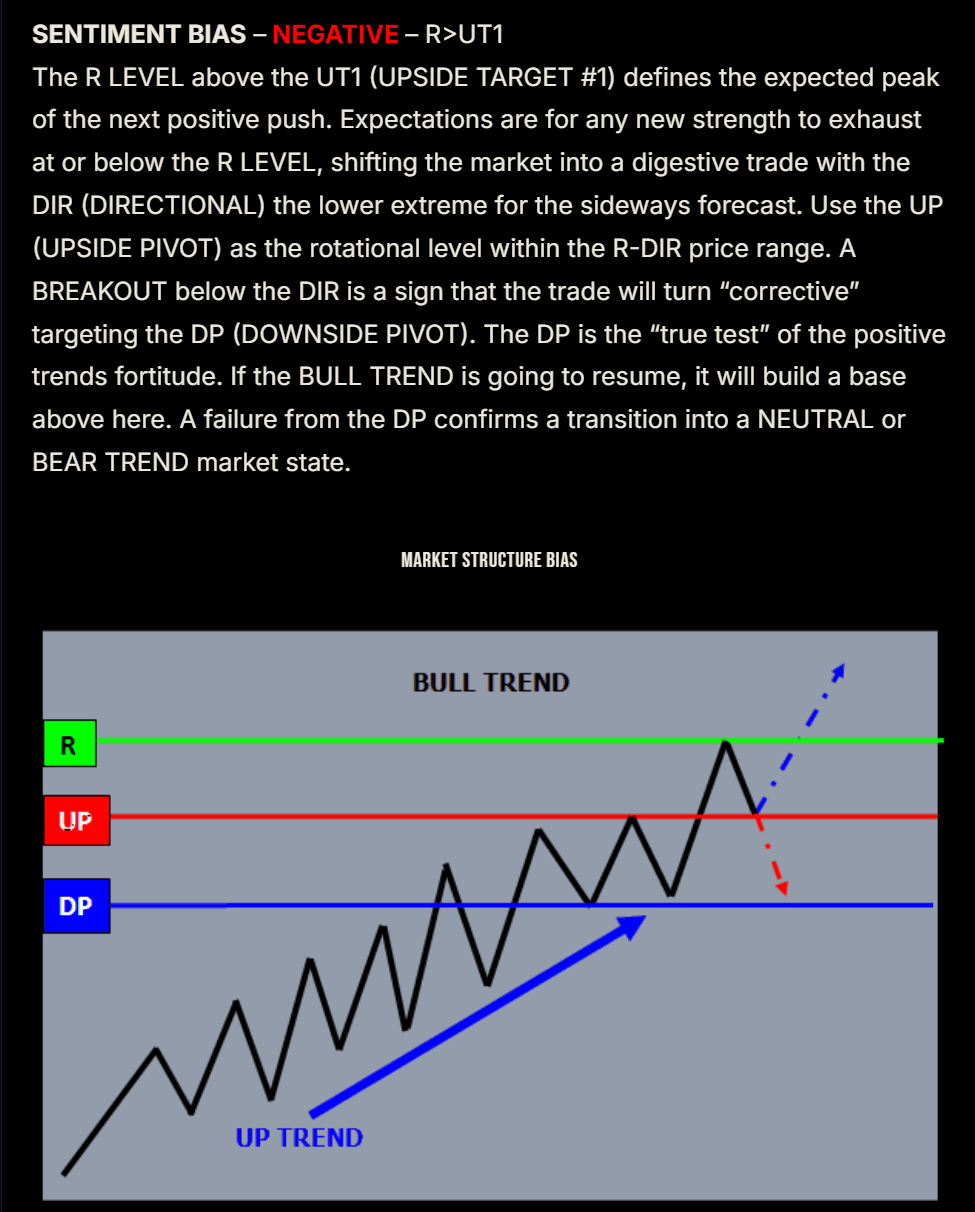
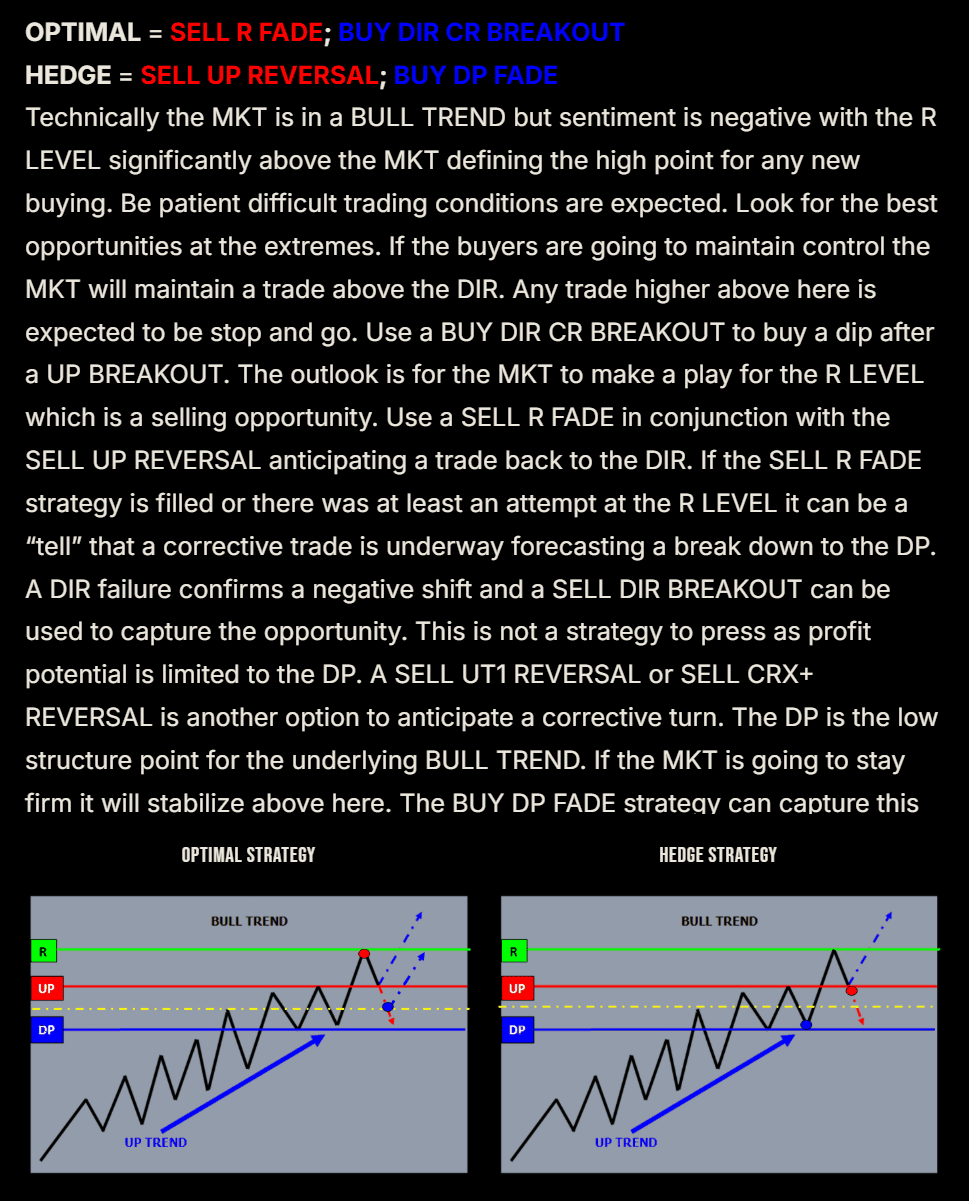
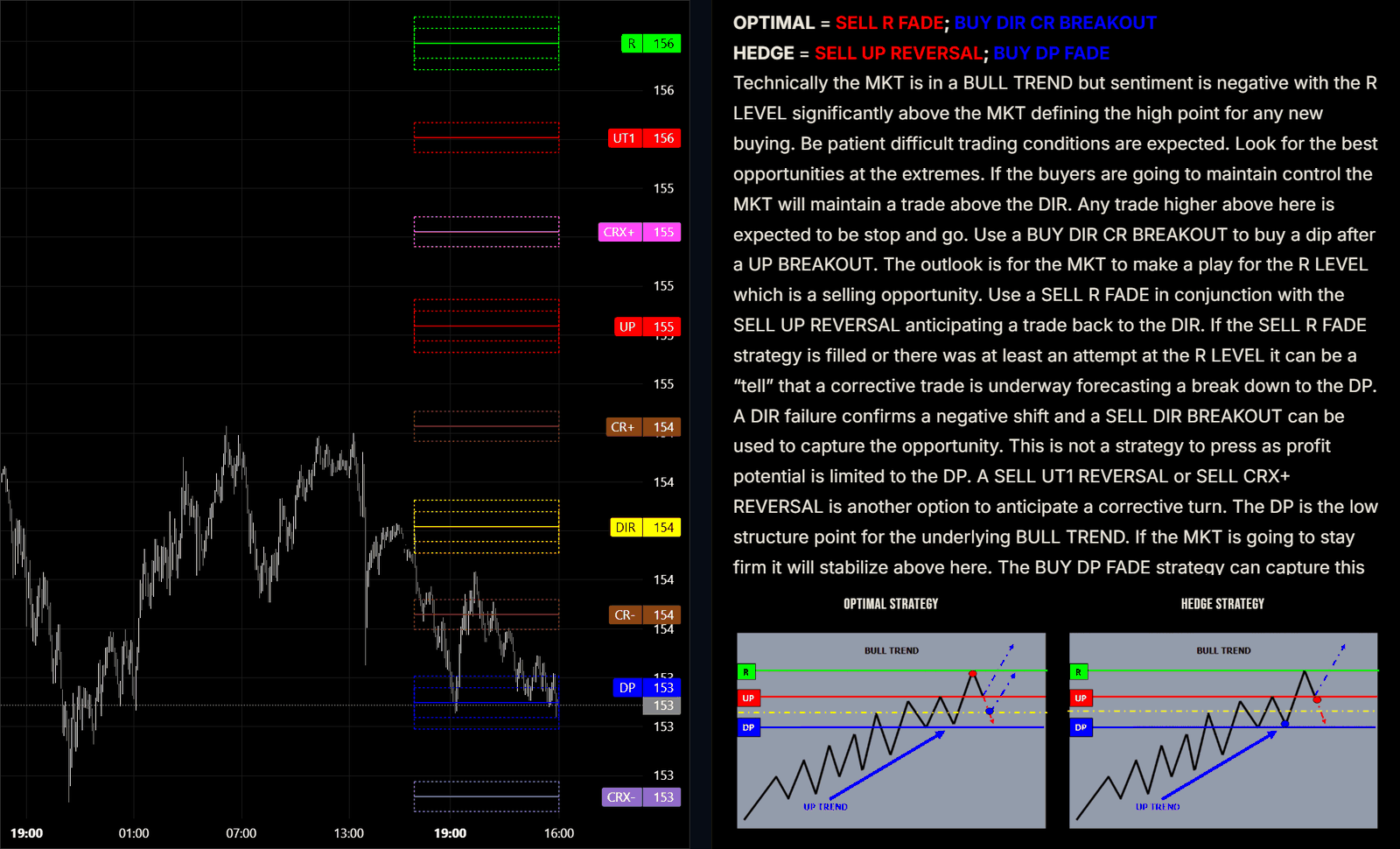
USDJPY, as it appears in the Playbook. Click through the tabs — the chart stays, the read changes.
The Playbook · USDJPY · 9 September 2026 · example, not a live read
The label said bull trend. The Playbook said sell the R level.That is the difference between a direction and a strategy.
The Playbook does not tell you how to trade.It tells you which themes are expected to control price action.
Arrive at the open with the theme defined and the IF/THEN known. The session is execution, not analysis.
Optimal and Hedge translate directly into alpha and income structures, with the strike focus set by the levels that decide.
Condition every signal on the theme in command. A buy signal in Optimal is not the same trade as a buy signal in Hedge.
MarketColor names the state. PriceMap draws the structure. The Playbook is where the two become a strategy — and the Playbook is what Navigator reads when you ask it what the market is doing.
The state says what kind of market it is. The structure says where it holds or breaks.The Playbook frames the response.
New to state? Read MarketColor → · New to structure? Read PriceMap →
06 · Origin Story
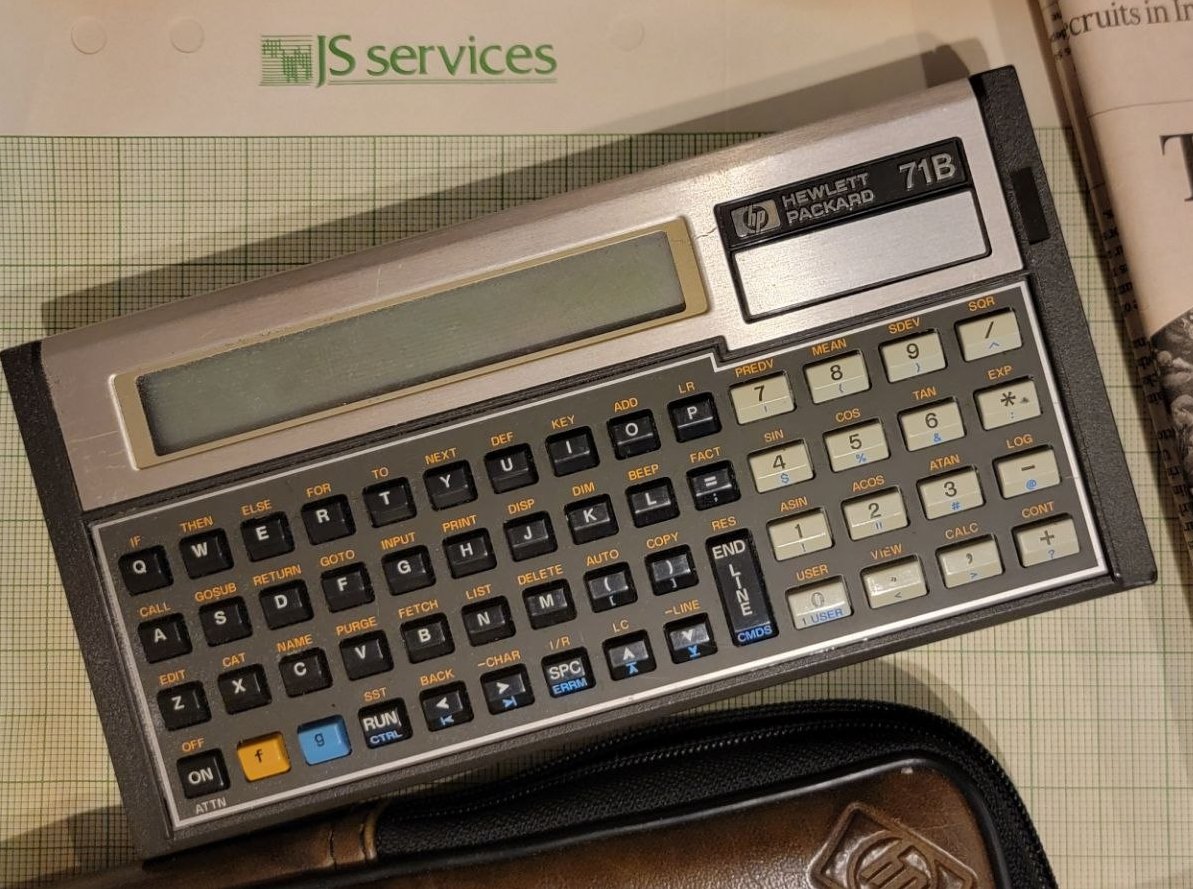
The quantitative work began with my HP-71B calculator. I continued doing my own technical analysis alongside it, comparing the two at the end of the day. The quantitative framework kept getting the better of my interpretation. Eventually, I had to respect what the comparison was telling me.
Once MarketColor was complete, the work came full circle. PriceMap defined the structure. MarketColor defined the state. The R Level established the sentiment bias within that context.
Together, they answered a practical question: Given these conditions, which strategies should I be prepared for?
That became the Playbook — a strategy-based IF/THEN framework. It framed the themes expected to influence price action depending on whether the state persisted, transitioned, or gave way to sideways trading.
The purpose was to establish those possibilities before capital was at risk, with a clear basis for recognizing when conditions changed. My interpretation now had an objective framework to answer to.
John Slazas · Founder, MKT.TRADE
Two weeks free · Cancel inside the trial, owe nothing
The Playbook defines what the market is set up to do. The next layer puts that read in conversation.